Bettws Hall Shooting Photographer
A Day in the Life of a Shooting and Sporting Photographer at Bettws Hall, Wales
There are few places that capture the character of Welsh country sport quite like Bettws Hall in Wales. For a shooting photographer, it offers the perfect combination of beautiful countryside, challenging light, fast-moving birds and the atmosphere that makes a day in the field so rewarding.
A typical day photographing at Bettws Hall starts long before the first birds take to the sky. As a sporting photographer, preparation is just as important as photography itself. The right lenses, camera settings and position can make all the difference when working with fast-moving subjects such as pheasant and partridge.
An Early Start in the Welsh Countryside
The day usually begins early, with the countryside around Bettws Hall still quiet and often covered in that soft morning light that photographers are always looking for.
There is something special about arriving before the action starts. The woods are quiet, the landscape is waking up and there is time to assess the conditions before the first drive.
For a shooting photographer, these early moments are an opportunity to look at the light, understand the background and anticipate where the birds are likely to appear. On a busy sporting day, there may only be a split second to capture the perfect image, so knowing the surroundings beforehand is invaluable.
The weather also plays a huge part. Bright sunshine can produce crisp, vibrant images, while overcast Welsh skies can create wonderfully soft and atmospheric backgrounds. Some of the most dramatic shooting photography can come from days when the weather is far from perfect.
Getting Into Position
Once the day gets underway, the pace changes considerably.
As a sporting photographer, positioning is everything. You need to be aware of the direction of the drive, the background, the available light and, most importantly, where the birds are likely to come from.
Both pheasants and partridge are incredibly fast, and photographing them in flight requires quick reactions. A camera can be ready, but there is no guarantee a bird will follow the path you expect.
This is one of the reasons I enjoy photographing driven shooting days so much. Every drive is different.
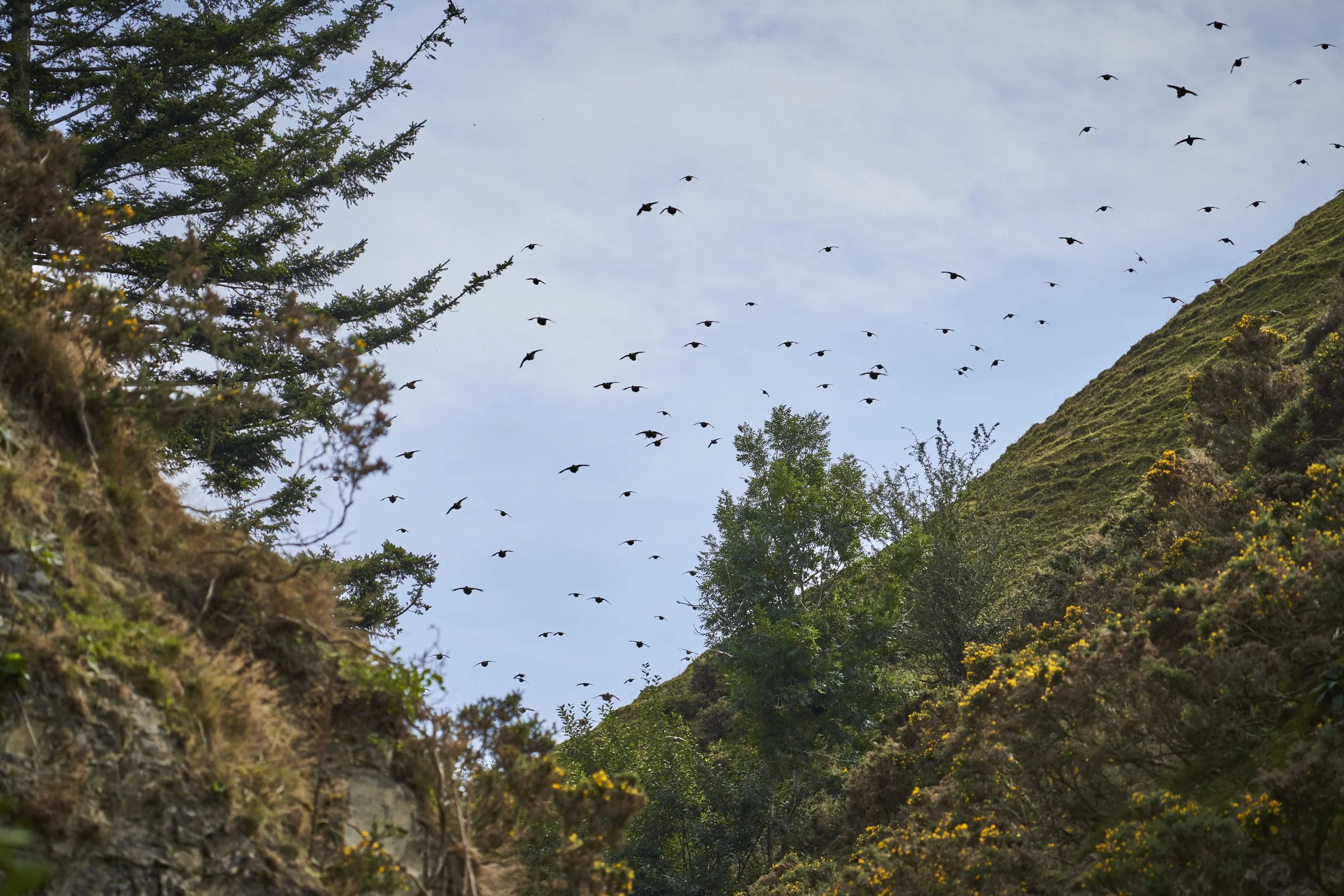
One moment you can be waiting patiently with nothing happening, and the next a pheasant or partridge suddenly appears, giving you only a fraction of a second to track it and capture the image.
Photographing Pheasants and Partridge in Flight
For me, this is where the real challenge — and enjoyment — of being a shooting photographer comes in.
Capturing a pheasant or partridge in flight isn't simply about pressing the shutter at the right moment. Good sporting photography is about anticipation.
You have to track the bird smoothly, maintain focus and choose the moment that best captures its speed and movement. Wing position, background, light and composition can completely change an image.
A technically sharp photograph is important, but the best shooting photographs should also convey something about the day itself.
The movement of the bird.
The landscape behind it.
The atmosphere of the drive.
And sometimes, simply the sheer speed and energy of a pheasant or partridge breaking through the trees or rising from cover.
More Than Just Photographing the Birds
One of the things I love most about being a sporting photographer is that the job isn't limited to photographing birds.
A great shooting gallery should tell the story of the entire day.
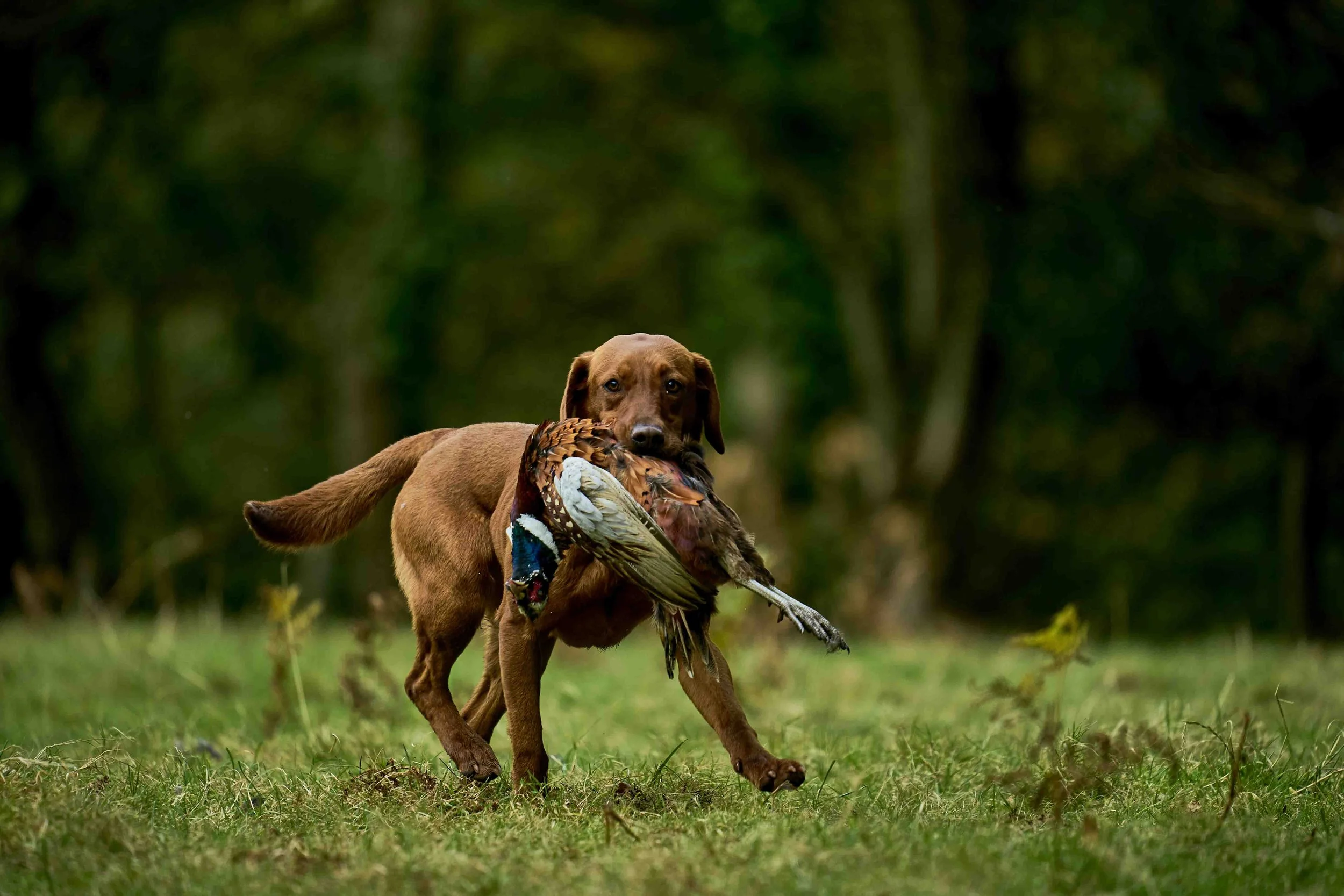
That can mean capturing the landscape around Bettws Hall, the dogs working through the cover, the preparation before a drive, the camaraderie between guns and beaters, and those quieter moments between drives.
These photographs help build a complete visual record of the day rather than simply producing a collection of bird-in-flight images.
At Bettws Hall, the surrounding Welsh countryside provides an exceptional backdrop. The changing seasons bring different colours, textures and light, meaning that no two days are quite the same.
The Importance of Light
Photography is, ultimately, all about light.
As a shooting photographer in Wales, you quickly learn to work with whatever conditions the day provides. Autumn and winter can bring everything from brilliant sunshine to mist, rain and heavy cloud.
Rather than seeing difficult weather as a problem, I often see it as an opportunity.
Mist can add atmosphere to a woodland drive. Low winter sunlight can illuminate a pheasant's feathers beautifully, while soft overcast conditions can work particularly well for capturing partridge in flight.
The challenge is adapting to those conditions and making the most of what is in front of you.
Capturing the Character of a Shooting Day
A successful day as a sporting photographer is about much more than the number of photographs taken.
It is about capturing moments.
The anticipation before a drive.
A dog working through the cover.
A pheasant rising above the trees.
A covey of partridge breaking from cover.
The reaction after a particularly memorable drive.
The landscape surrounding the shoot.
These are the details that bring a shooting day back to life when the photographs are viewed weeks, months or even years later.
A Shooting Photographer's Perspective
Photographing at Bettws Hall is a reminder of why I enjoy shooting photography in Wales so much.
There is a constant balance between preparation and unpredictability. You can plan where you want to stand, what settings you want to use and what light you hope to find, but ultimately you are working with wildlife and the natural environment.
That unpredictability is part of the appeal.
Every drive presents a new challenge, and every pheasant or partridge offers a different photographic opportunity.
For a shooting photographer, that means staying alert from the first drive until the last bird has disappeared from the sky.
The End of the Day
By the end of a full day at Bettws Hall, there is usually a memory card full of images and plenty to think about.
The hard work doesn't stop when the cameras are put away. Back at the computer, the editing process begins — selecting the strongest photographs, checking focus and composition, and carefully processing the images so they accurately reflect the atmosphere of the day.
The final collection should tell a story.
It should take you back to the woods, the fields, the sound of the dogs and the excitement of watching a pheasant or partridge rise into the Welsh sky.
And that, for me, is what makes being a sporting photographer so rewarding.
Shooting Photography at Bettws Hall
Bettws Hall provides a fantastic setting for shooting photography in Wales, combining beautiful countryside with the fast-paced action that makes sporting photography such a challenging and rewarding genre.
Whether I'm photographing pheasants, partridge, working dogs, the landscape or the people who make a sporting day possible, the goal is always the same: to create natural, authentic photographs that capture the character of the day.
Being a shooting photographer isn't simply about getting a sharp photograph of a bird. It's about being in the right place, understanding the action and recognising those split-second moments that tell the story of a day in the Welsh countryside.
And at Bettws Hall, there is certainly no shortage of those moments.
https://www.bettwshall.com